
Feminism in the Fourth Wave: How to Be a Clean Girl
An 8-page zine exploring the clean girl aesthetic through the lens of fourth-wave feminism, questioning how style, identity, and consumption are shaped and circulated online.
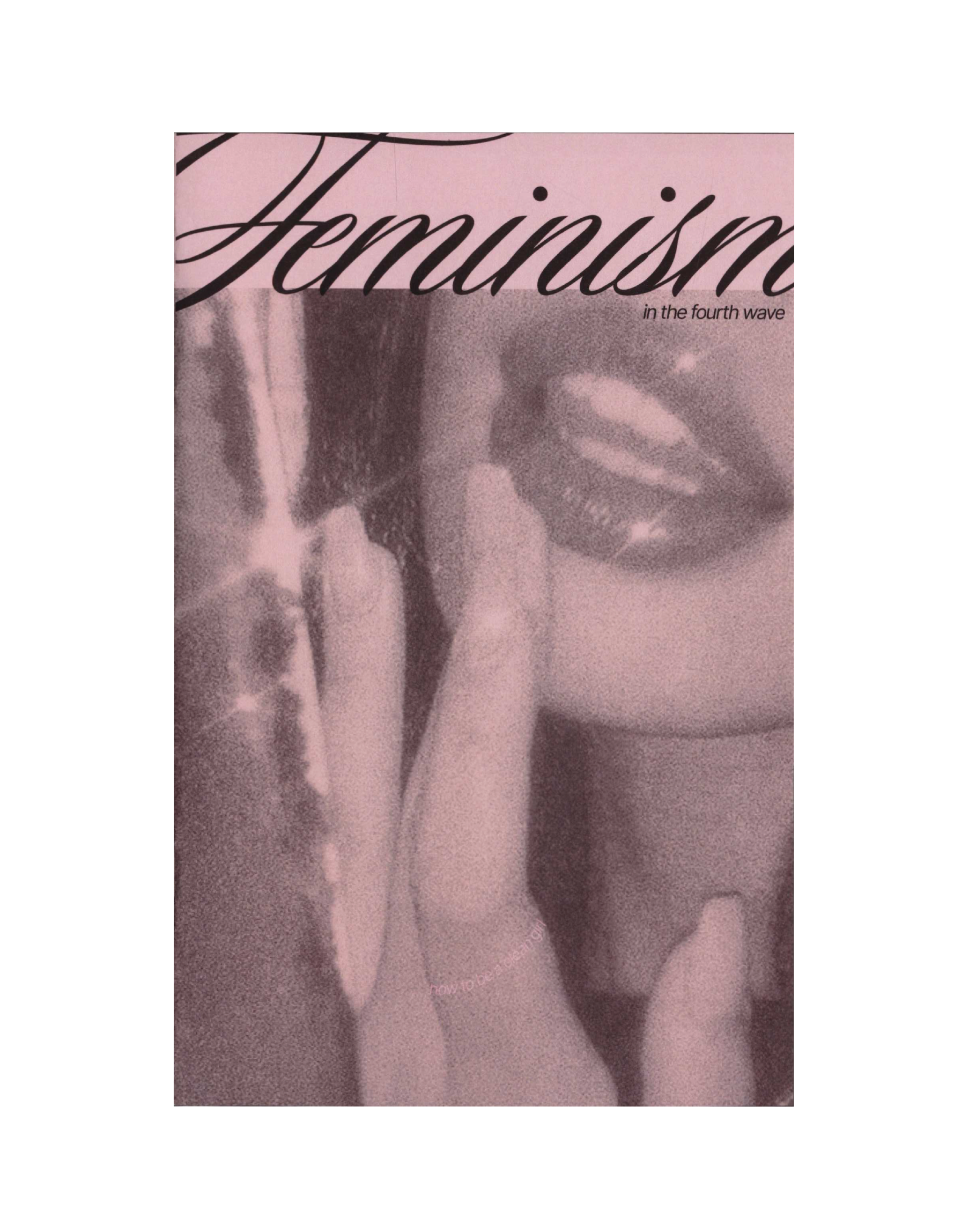
Concept
This project examines the clean girl aesthetic as a contemporary expression of fourth-wave feminism, focusing on how style operates as both identity and performance. While the aesthetic presents itself as effortless and natural, it is closely tied to consumption, routine, and visibility within digital spaces.
The zine questions how this aesthetic is constructed, who it is accessible to, and how it draws from and reshapes existing cultural practices. By framing the clean girl as both an ideal and a system, the work explores the tension between individuality and conformity in online self-presentation.
Process
This project was developed as part of a group investigation into feminism and subculture, where each member created their own 8-page zine focused on a different perspective. My section centers on the clean girl aesthetic, using visual research, cultural references, and editorial design to build a narrative around its structure and influence.
The layout draws from magazine and instructional formats, using a “how-to” approach to both mimic and critique the aesthetic itself. Through typography, imagery, and sequencing, the zine balances familiarity with critical reflection, allowing the content to feel recognizable while still questioning the systems behind it.
Results
The final outcome is an 8-page printed zine that presents the clean girl aesthetic as both a guide and a critique. By using a familiar “how-to” structure, the work mirrors the aesthetic’s emphasis on routine and repetition while also exposing how it is constructed and maintained.
As part of a larger set of individual zines, the project contributes to a broader conversation around feminism and style, while still functioning as a standalone piece. The result highlights how something that appears simple and natural is actually shaped through patterns of visibility, influence, and consumption.